Almost any 2D or 3D geometric feature you can imagine can be achieved through CNC milling:
* Planes*: Create smooth surfaces.
* Steps and Cavities*: Machine recessed areas such as pockets and slots.
* Holes*: While drilling machines excel at drilling, CNC milling machines can precisely perform drilling, reaming, and tapping.
* Contours*: Machine complex external shapes.
* 3D Surfaces*: Complex 3D models, such as molds and sculptures, can be machined using ball end mills.
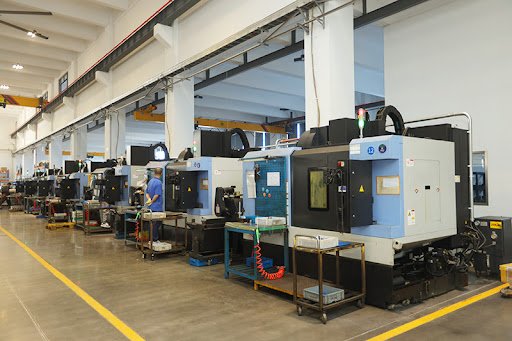
Key Advantages of CNC Milling
1. High Precision and Repeatability: Micron-level tolerances can be easily achieved, and identical parts can be mass-produced.
2. High Efficiency: Automated machining at high speed, especially suitable for medium to large-volume production.
3. Complexity: Capable of manufacturing complex-shaped parts that are impossible or difficult to machine using traditional methods.
4. Flexibility: Quickly switch to machining different parts simply by changing the computer program, offering high adaptability.
5. Consistency: Once the program is set correctly, it ensures that every part has the same quality.
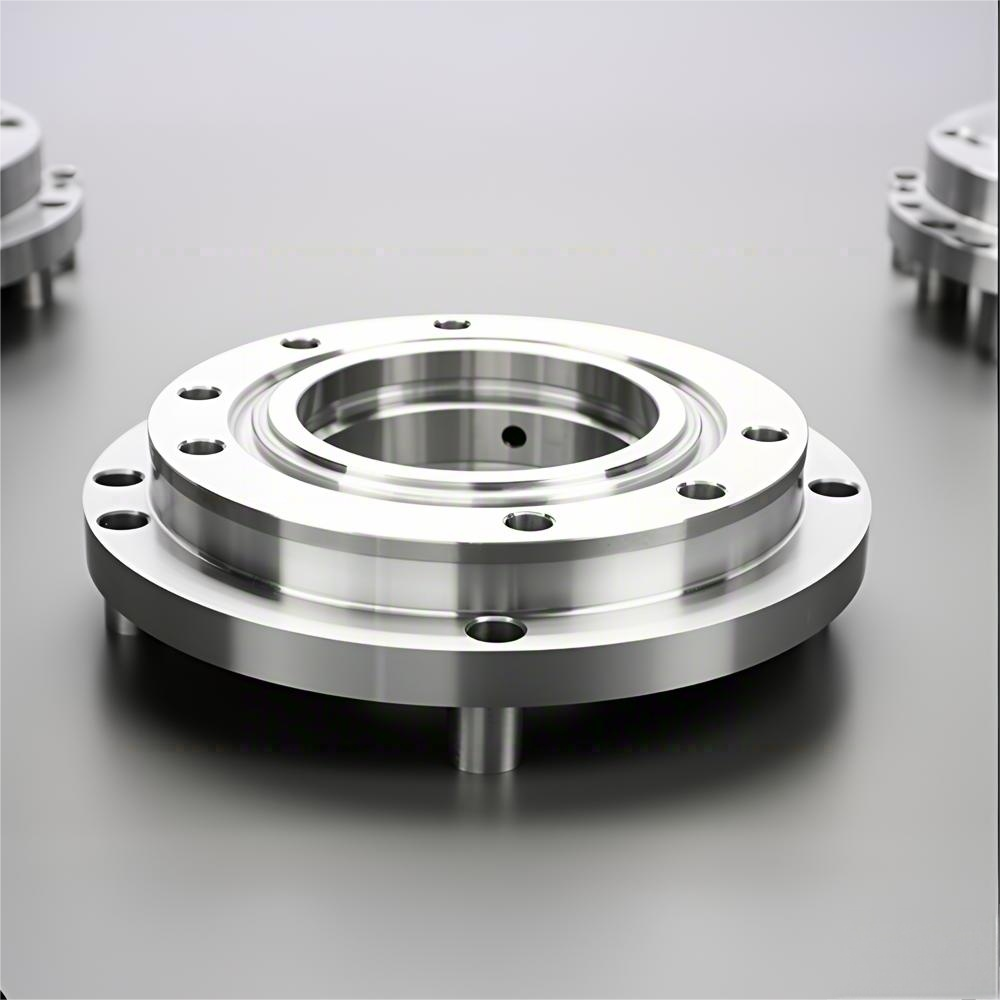
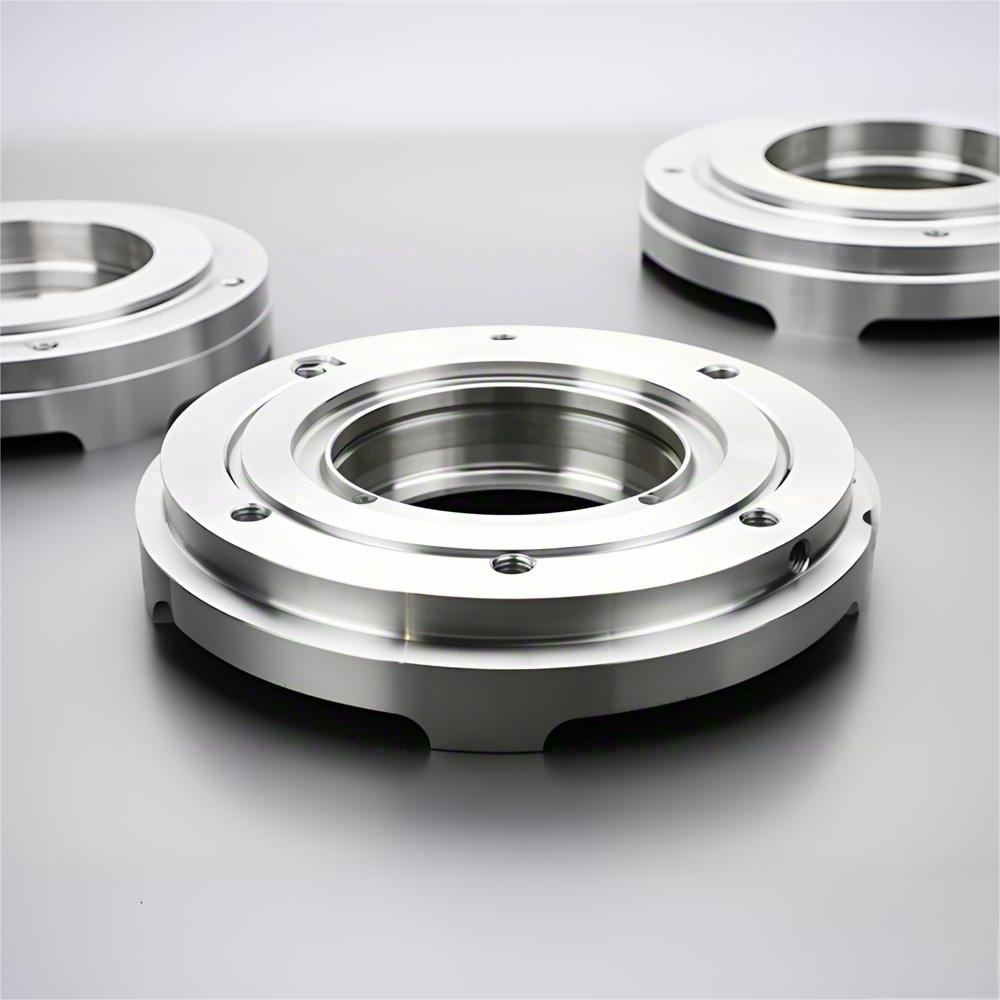
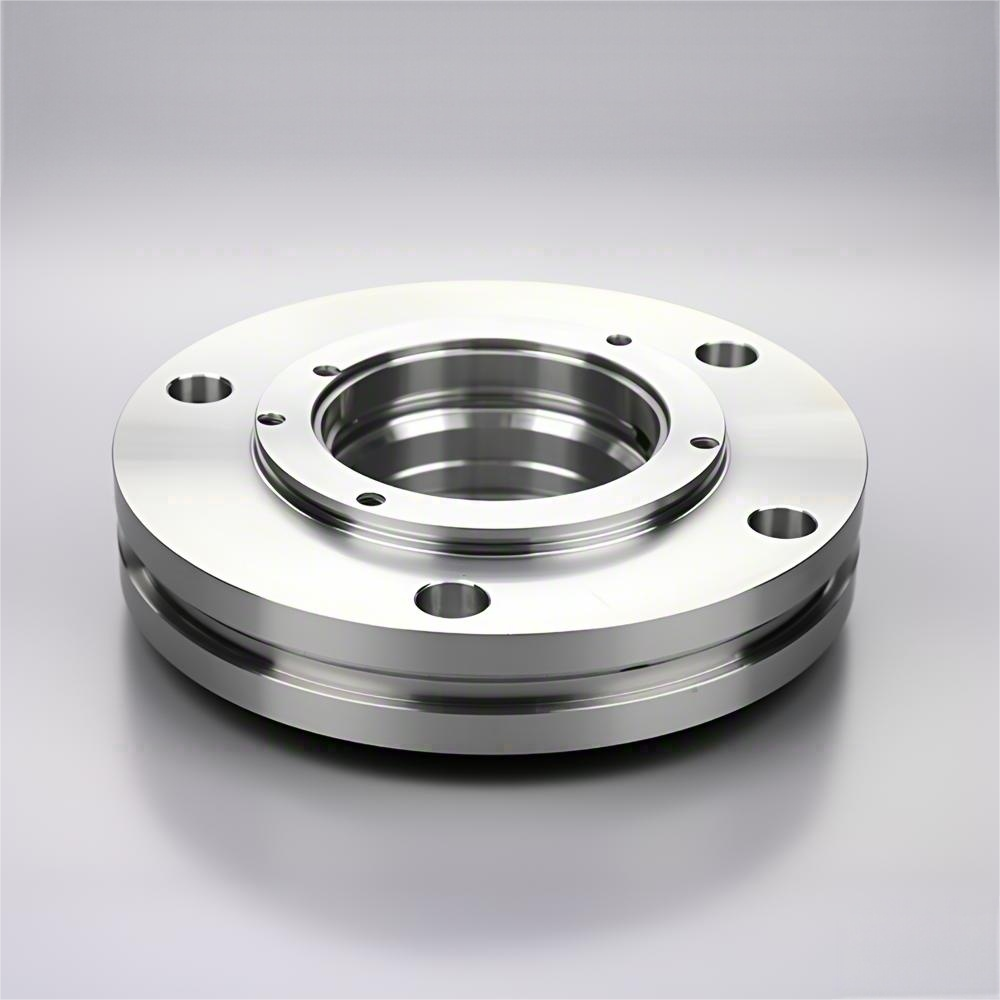
Applications of CNC Milling
CNC milling is ubiquitous and a cornerstone of modern manufacturing, applied in:
* **Aerospace:** Manufacturing engine parts, structural components, etc.
* **Automotive Industry:** Producing engine blocks, transmission parts, molds, etc.
* **Medical Devices:** Machining precision surgical instruments, artificial joints, dental equipment.
* **Electronics:** Manufacturing mobile phone/computer casings, heat sinks, circuit board molds, etc.
* **Mold Manufacturing:** Producing all types of molds, including injection molds, die-casting molds, and stamping dies.
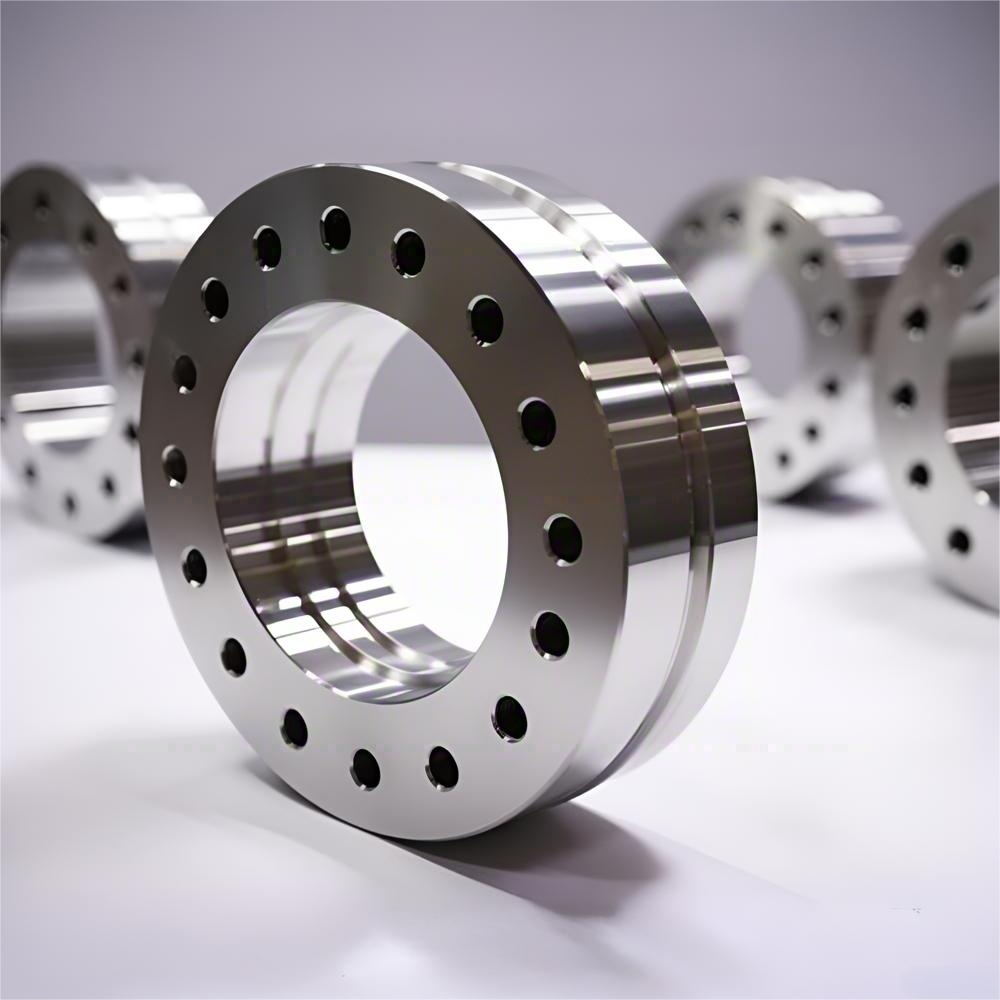
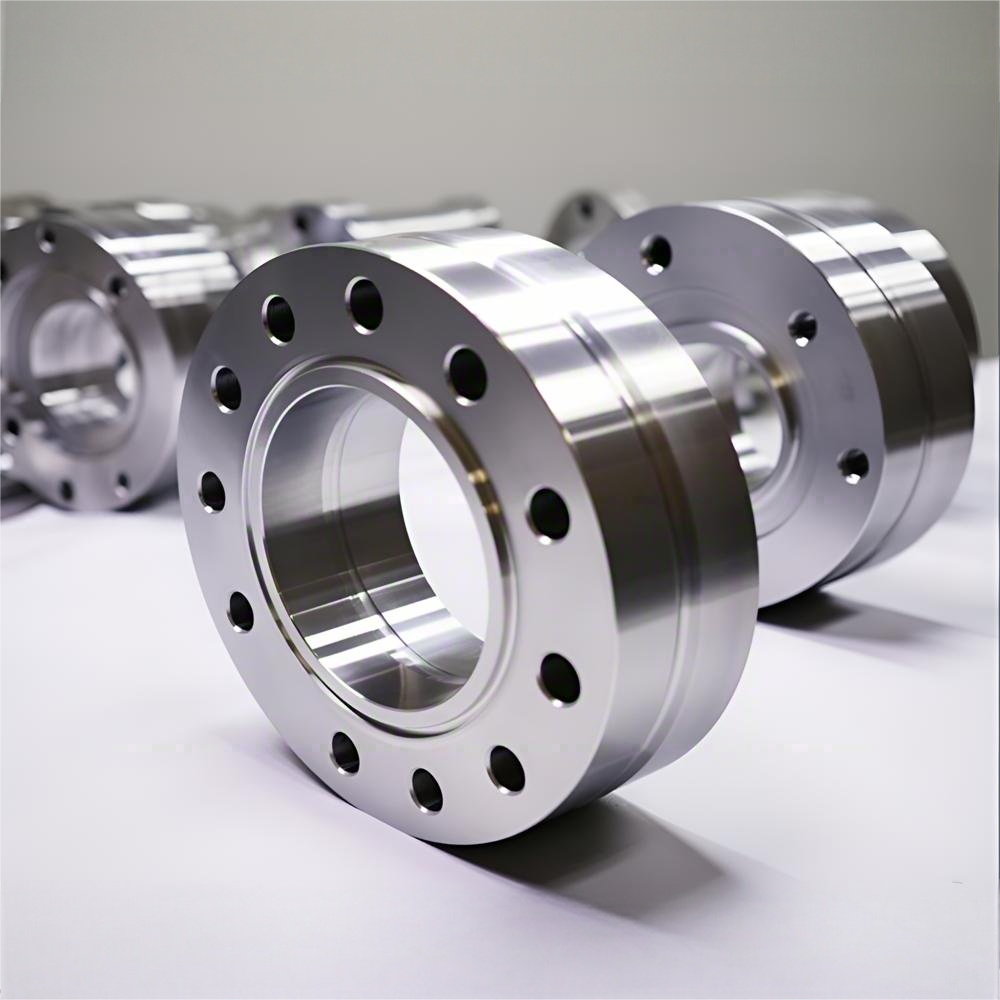
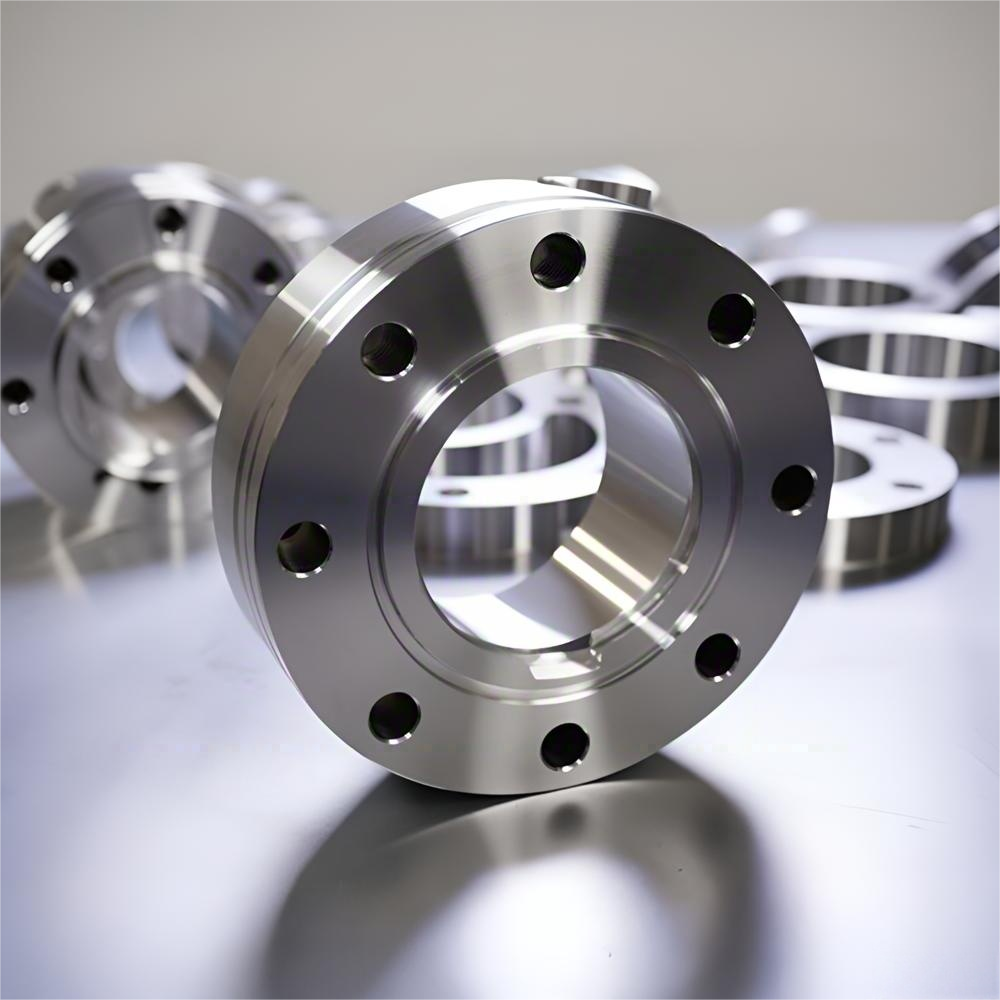
In short, CNC milling is one of the core manufacturing technologies that transforms digital designs into physical entities. With its superior precision, efficiency, and flexibility, it has become an essential process in almost all industrial sectors, from prototyping to mass production.
LiveChatX
 Send Email
 WhatsApp