When 22 "cars" lie neatly submerged more than 200 meters below the Miami coast, forming a unique "underwater transportation landscape," this is not only the completion of an art park, but also a prime example of the prototype model industry's cross-industry empowerment of ecological protection. According to the project's technical team, the successful implementation of these artificial reefs, which combine artistic appeal and ecological functionality, relies heavily on prototype technology for design verification and process optimization, showcasing an innovative fusion of precision manufacturing and ecological protection.
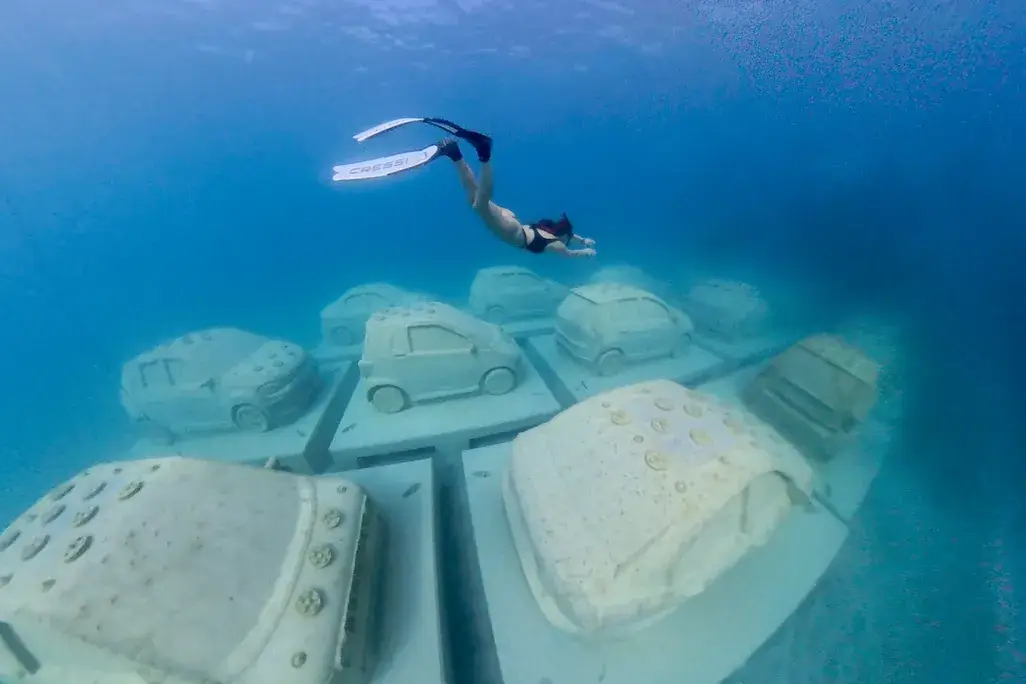
Designed under the leadership of artist Leandro Erlich, the underwater art park completed its first phase of construction in late October 2025. The seemingly bizarre underwater "car array" is actually a meticulously designed concrete artificial reef—and the early verification using prototype models played a decisive role in realizing this innovative concept. "The marine environment places stringent demands on structural stability and biofilm adhesion, making direct mold casting extremely risky. Multiple rounds of testing using prototypes are essential," explained an engineer from the project's prototype-making partner. The team first created a 1:10 scale exterior prototype, accurately reproducing the car's shape while simultaneously verifying the design rationale for the coral attachment channels.
It is understood that approximately 10% of the world's coral reefs have died, and 60% are facing survival risks. Artificial reef deployment has become a crucial remedial measure. However, traditional artificial reefs often lack design appeal and fail to align with Miami's artistic atmosphere. The "car" shape chosen for this project not only metaphorically links automobiles to the greenhouse effect but also achieves a balance between art and function through prototype technology. The technical team created three structural prototypes, optimizing the car's curvature and base support structure through simulated seawater pressure testing. The final design can withstand long-term seabed erosion while increasing the coral attachment area by 40%.
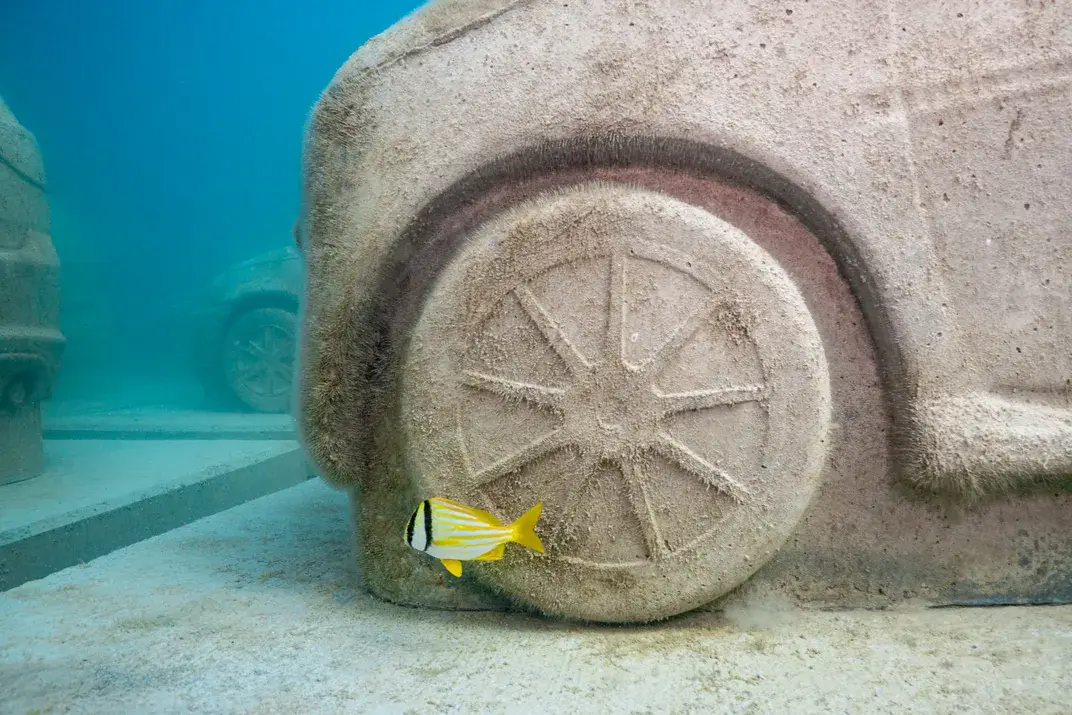
The project's core technological breakthrough lies in the synergistic application of prototypes and 3D printing technology. Reporters learned that all 22 "cars" were manufactured using a process of "digital modeling - prototype verification - 3D printing molds - casting": First, functional prototypes made of ABS material were created using CNC machining, and dimensional accuracy was calibrated (error controlled within ±0.05mm); then, 3D printed molds were made based on the prototype data and cast using marine-grade neutral concrete, with each car weighing 13 tons. This process is consistent with the mainstream "rapid prototyping - mass production" model in the prototype industry, ensuring accurate reproduction of the artistic design while reducing the risk of mold development.
The deep involvement of prototype technology provides a new technological paradigm for ecological conservation projects. As project artist Leandro Erlich stated, "The visual effect of corals gradually 'devouring' the cars reflects the respect for natural laws in precision manufacturing." Currently, scientists have transplanted coral seedlings onto the surface of the "cars," and a complete coral reef ecosystem is expected to form within 3-5 years. Industry insiders point out that this project demonstrates the application potential of prototype technology in cross-disciplinary fields—from medical equipment to aerospace, from art installations to ecological engineering, prototypes, as a "touchstone for design verification," are driving more innovative ideas to come to fruition.
LiveChatX
 Send Email
 WhatsApp